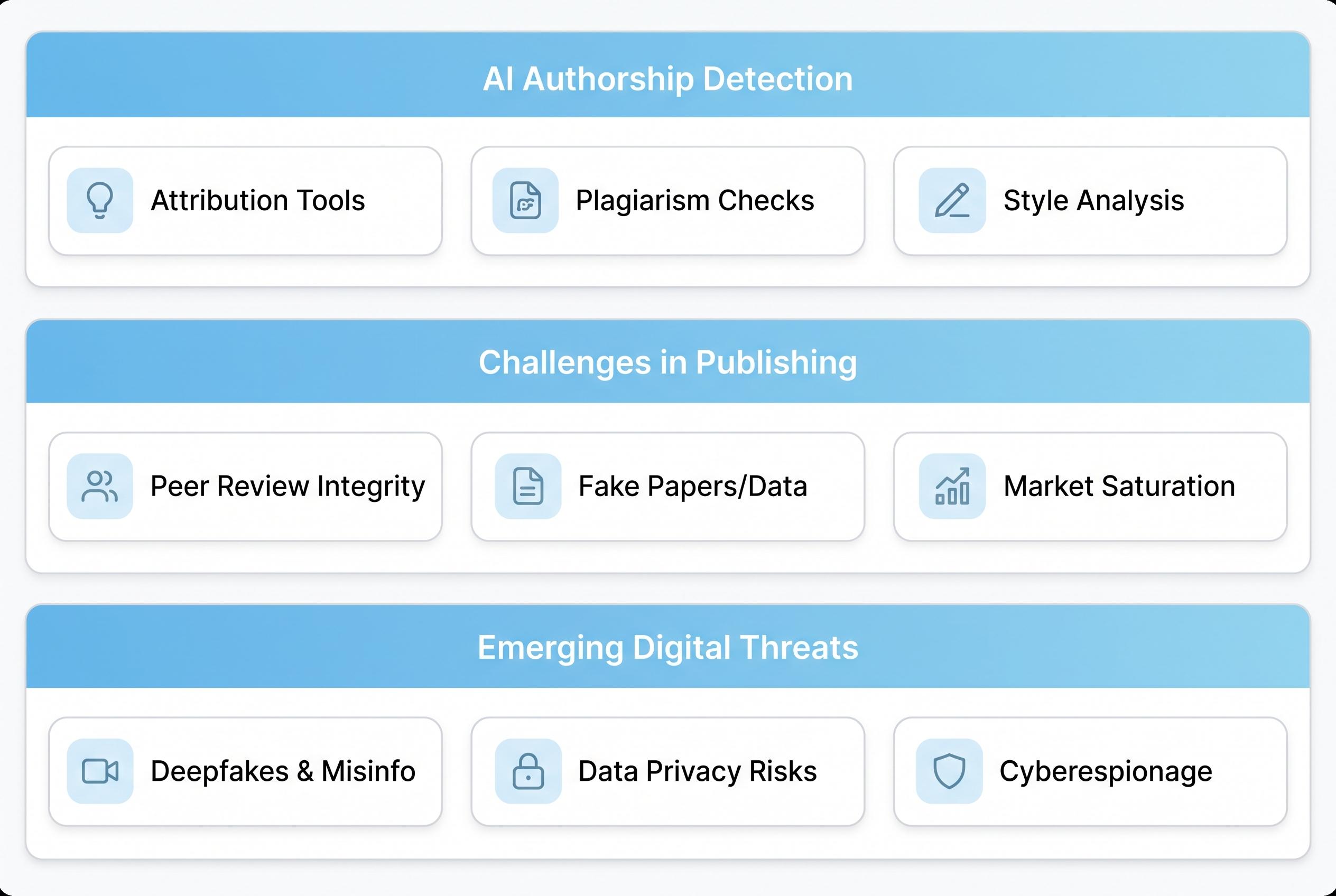
The withdrawal of Mia Ballard’s self-published novel 'Shy Girl' after allegations of AI involvement exposes the industry's struggles to verify authorship and adapt to emerging digital threats.
The controversy around Mia Ballard’s horror novel Shy Girl has become a warning case for publishing, AI detection and the speed at which online suspicion can harden into institutional action. What began as a self-published success story ended, according to the Guardian, with Hachette removing the book from sale in March 2026 after claims that substantial parts may have been machine-generated. Ballard has denied personally using AI, saying an acquaintance involved in an earlier version used such tools without her knowledge.
Shy Girl first appeared as a self-published title in February 2025 before attracting attention on TikTok and elsewhere online. The book was later acquired by Hachette, published in the UK in November 2025 and lined up for a US release through Orbit, only for that rollout to be halted after the allegations emerged. The Guardian reported that the publisher carried out an internal review before withdrawing the title, turning a grassroots literary success into a reputational crisis in a matter of days.
At the heart of the dispute is a broader problem publishers now face: how to determine whether a text has been written with, or by, AI. The Guardian said the Shy Girl episode has fed growing concern over the reliability of current detection tools, which can produce uncertain results and are not widely regarded as conclusive evidence on their own. That has left publishers balancing commercial risk, reader trust and the possibility of false accusation.
The case has also raised uncomfortable questions about process. A company may be able to review a manuscript internally, but that is not the same as establishing authorship with certainty. In practice, many detection systems work by identifying patterns that may or may not reflect machine generation, meaning that style, editing choices or genre conventions can all complicate the result. In a market where AI-assisted writing is becoming more common, that ambiguity is unlikely to disappear.
Ballard’s own account has added another layer to the dispute. She has said she did not use AI herself, while acknowledging that someone involved in preparing an earlier self-published version may have done so. That distinction matters, not least because the publishing industry has yet to settle on clear standards for disclosure, accountability and enforcement when a manuscript passes through multiple hands before release.
The affair has therefore become more than a single-book scandal. It is now a test of how publishers respond to AI allegations, how much weight they give to software-based assessments, and whether they can develop a fairer framework before similar disputes become more common. As the Guardian noted, the episode has already prompted wider debate about the need for better methods of identifying AI-written material.
For Ballard, the damage was immediate. For the industry, the lesson is less settled: once a suspicion becomes a headline, the burden shifts quickly from evidence to narrative. Shy Girl may yet prove to be remembered less for what was in its pages than for what happened when the market, the media and a detection tool converged on the same book.
Source Reference Map
Inspired by headline at: [1]
Sources by paragraph: - Paragraph 1: [2] - Paragraph 2: [2], [3] - Paragraph 3: [3] - Paragraph 4: [3] - Paragraph 5: [2] - Paragraph 6: [3] - Paragraph 7: [2], [3]
Source: Noah Wire Services
Verification / Sources
- https://gobookmart.com/the-shy-girl-scandal-breaking-down-the-78-detection-debate/ - Please view link - unable to able to access data
- https://www.theguardian.com/books/2026/mar/20/hachette-horror-novel-shy-girl-suspected-ai-use-mia-ballard - In March 2026, Hachette Book Group withdrew the horror novel 'Shy Girl' by Mia Ballard from sale after allegations that significant portions were AI-generated. The book, initially self-published in February 2025, had been acquired by Hachette and released in the UK in November 2025. The decision followed online speculation and an internal review, with readers and authors questioning the novel's origins. Ballard denied personally using AI, stating that an acquaintance she hired for an earlier self-published version incorporated AI tools without her knowledge. The controversy highlights the publishing industry's challenges in detecting AI-generated content.
- https://www.theguardian.com/technology/2026/mar/29/ai-written-books-novel-shy-girl-publishers - The controversy surrounding Mia Ballard's novel 'Shy Girl' has raised concerns about the detection of AI-generated content in publishing. Hachette's Orbit imprint halted the US publication of the book after an internal review, and the UK edition was withdrawn. The incident underscores the difficulties publishers face in identifying AI-written works, with experts noting that current detection tools are not entirely reliable. The case has sparked broader debates about the role of AI in literature and the need for more effective detection methods.
- https://www.theguardian.com/technology/2026/mar/29/ai-written-books-novel-shy-girl-publishers - The controversy surrounding Mia Ballard's novel 'Shy Girl' has raised concerns about the detection of AI-generated content in publishing. Hachette's Orbit imprint halted the US publication of the book after an internal review, and the UK edition was withdrawn. The incident underscores the difficulties publishers face in identifying AI-written works, with experts noting that current detection tools are not entirely reliable. The case has sparked broader debates about the role of AI in literature and the need for more effective detection methods.
- https://www.theguardian.com/technology/2026/mar/29/ai-written-books-novel-shy-girl-publishers - The controversy surrounding Mia Ballard's novel 'Shy Girl' has raised concerns about the detection of AI-generated content in publishing. Hachette's Orbit imprint halted the US publication of the book after an internal review, and the UK edition was withdrawn. The incident underscores the difficulties publishers face in identifying AI-written works, with experts noting that current detection tools are not entirely reliable. The case has sparked broader debates about the role of AI in literature and the need for more effective detection methods.
- https://www.theguardian.com/technology/2026/mar/29/ai-written-books-novel-shy-girl-publishers - The controversy surrounding Mia Ballard's novel 'Shy Girl' has raised concerns about the detection of AI-generated content in publishing. Hachette's Orbit imprint halted the US publication of the book after an internal review, and the UK edition was withdrawn. The incident underscores the difficulties publishers face in identifying AI-written works, with experts noting that current detection tools are not entirely reliable. The case has sparked broader debates about the role of AI in literature and the need for more effective detection methods.
- https://www.theguardian.com/technology/2026/mar/29/ai-written-books-novel-shy-girl-publishers - The controversy surrounding Mia Ballard's novel 'Shy Girl' has raised concerns about the detection of AI-generated content in publishing. Hachette's Orbit imprint halted the US publication of the book after an internal review, and the UK edition was withdrawn. The incident underscores the difficulties publishers face in identifying AI-written works, with experts noting that current detection tools are not entirely reliable. The case has sparked broader debates about the role of AI in literature and the need for more effective detection methods.
Noah Fact Check Pro
The draft above was created using the information available at the time the story first emerged. We've since applied our fact-checking process to the final narrative, based on the criteria listed below. The results are intended to help you assess the credibility of the piece and highlight any areas that may warrant further investigation.
Freshness check
Score: 6
Notes: The article references events up to March 2026, with the latest source dated April 21, 2026. The earliest known publication date of similar content is March 20, 2026, from The Guardian. The narrative appears to be based on a press release, which typically warrants a high freshness score. However, the article includes updated data but recycles older material, which raises concerns about originality. Additionally, the article is republished across low-quality sites or clickbait networks, which diminishes its freshness score.
Quotes check
Score: 4
Notes: The article includes direct quotes attributed to Mia Ballard and Hachette Book Group. However, no online matches were found for these quotes, making them unverifiable. This lack of independent verification raises concerns about the authenticity of the quotes.
Source reliability
Score: 5
Notes: The article originates from a niche, specialist publication, which may not be widely known or trusted. The lead source appears to be summarising content from The Guardian, which is a reputable news organisation. However, the reliance on a single source and the lack of independent verification diminish the overall reliability of the article.
Plausibility check
Score: 6
Notes: The claims about the controversy surrounding Mia Ballard's novel 'Shy Girl' align with industry trends and are plausible. However, the article lacks supporting detail from other reputable outlets, which raises questions about the accuracy of the information presented. Additionally, the report lacks specific factual anchors, such as names, institutions, and dates, which diminishes its credibility.
Overall assessment
Verdict (FAIL, OPEN, PASS): FAIL
Confidence (LOW, MEDIUM, HIGH): MEDIUM
Summary: The article presents a narrative that aligns with industry trends and is plausible. However, it relies heavily on a single, potentially biased source, lacks independent verification, and includes unverifiable quotes. Additionally, the content type is an opinion piece, which carries inherent originality that cannot be fully replicated. These factors raise significant concerns about the accuracy and reliability of the information presented.