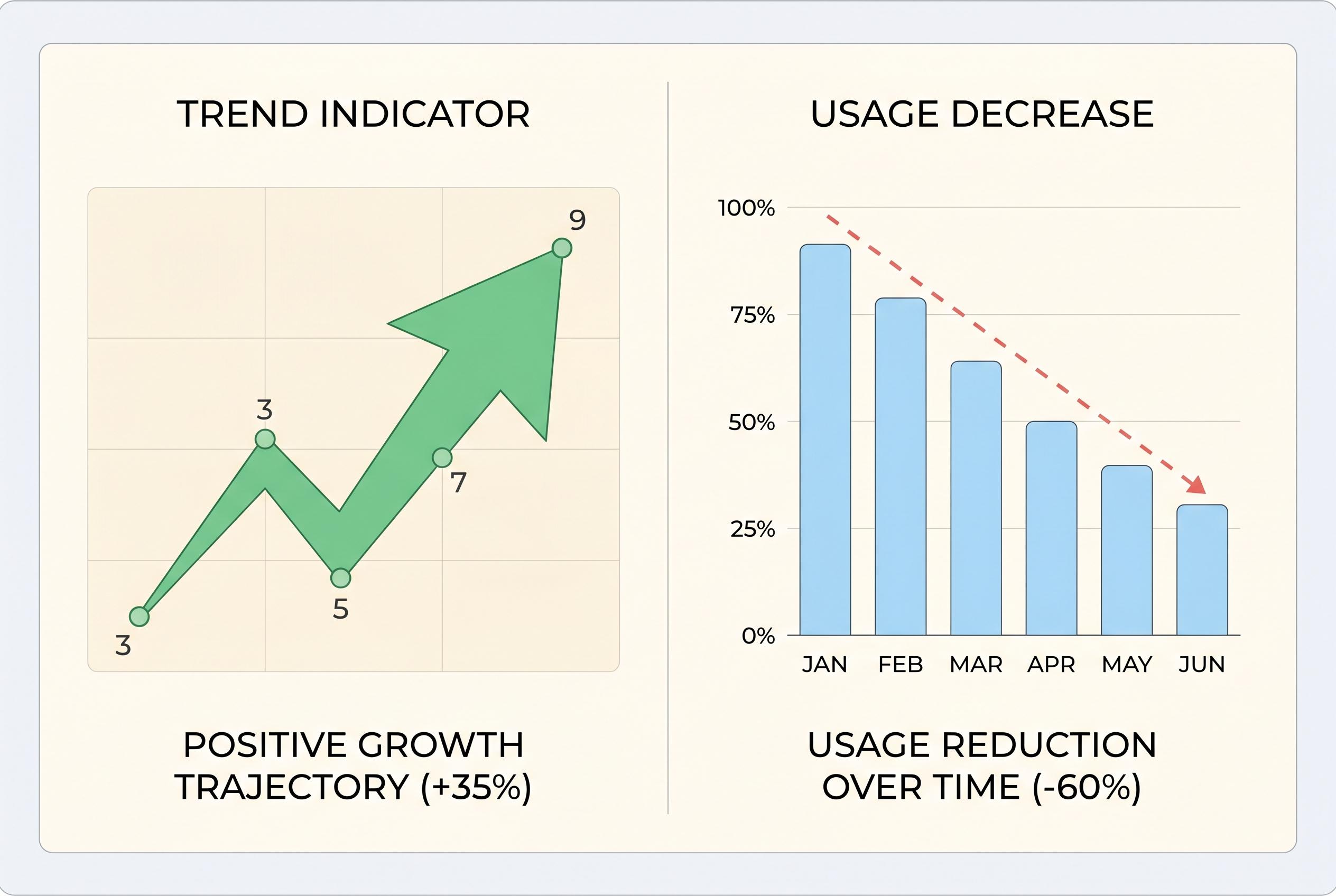
OpenAI’s web crawling activity has surged threefold following the launch of GPT-5, even as direct ChatGPT usage appears to decline, highlighting a shift towards live web data reliance.
OpenAI’s automated web crawlers appear to have accelerated sharply after the launch of GPT-5 in August 2025, even as a separate measure suggests direct ChatGPT usage may be slipping. A new analysis by Chris Long, co-founder of Nectiv, working with Botify and based on more than 7 billion server log events, found that OpenAI’s crawl of the web has roughly tripled since the model was released. The study, published on 23 April 2026, covers log data from November 2024 through March 2026 and is one of the clearest looks yet at how OpenAI’s three crawlers behave across the open web.
The research separates ChatGPT-User, GPTBot and OAI-SearchBot, each of which serves a different role. OAI-SearchBot handles web retrieval for ChatGPT search-style responses, GPTBot is used for general model training, and ChatGPT-User is triggered when a person asks ChatGPT to fetch a page or interact with it directly. According to Botify’s analysis, the biggest change after GPT-5 was in OAI-SearchBot, which rose 3.5 times overall and by 2.2 billion events within the company’s dataset. GPTBot also climbed, by 2.9 times, or 1.8 billion events. No industry in Botify’s sample showed negative growth from OAI-SearchBot, with the steepest gains in healthcare and media and publishing.
The ratio between OpenAI’s search crawling and training crawling has also shifted. Before GPT-5, the balance slightly favoured training; afterwards, search overtook it, suggesting that OpenAI is leaning more heavily on live web retrieval than on static collection. That shift echoes comments circulating in the SEO world around GPT-5’s release, including the view that future AI systems would rely more on the web as a current knowledge source. The Botify study does not prove that theory, but it does show a clear change in crawling behaviour after August 2025.
At the same time, ChatGPT-User events fell 28% between 1 December 2025 and 14 March 2026 compared with the previous equivalent period. The researchers say that could reflect lower direct usage of ChatGPT, pointing to SimilarWeb data showing a fall in ChatGPT’s share of AI-platform traffic from 86.7% in January 2025 to 64.5% in January 2026, alongside Sistrix data suggesting usage flattened and then eased late last year. But they also argue the decline may be partly structural: if OpenAI is building a fresher web index through OAI-SearchBot, fewer page fetches may be needed when users ask ChatGPT to interact with a site. That interpretation is not exclusive of declining demand, and the log data alone cannot fully separate the two.
Even after the post-GPT-5 surge, OpenAI still trails far behind Google in crawl volume. In the final month covered by the study, Googlebot generated 18.2 billion events across desktop and smartphone, compared with 887 million for OpenAI’s combined crawlers. That means OpenAI accounted for about 4% of Google’s crawl volume, up from 1.38% in the comparable 30-day window a year earlier. The broader context matters for publishers and marketers: media and publishing sites are being searched especially aggressively, while healthcare and retail sites are more likely to be hit by GPTBot. The findings also sit against the backdrop of GPT-5’s rocky consumer launch in August 2025, when users complained about broken workflows and model removals, prompting OpenAI to restore older models, even as the company won broader adoption in enterprise tools and coding platforms.
Source Reference Map
Inspired by headline at: [1]
Sources by paragraph: - Paragraph 1: [1], [3] - Paragraph 2: [1] - Paragraph 3: [1], [4] - Paragraph 4: [1], [2], [5] - Paragraph 5: [1], [3], [4], [6]
Source: Noah Wire Services
Verification / Sources
- https://ppc.land/openai-tripled-its-web-crawl-after-gpt-5-but-chatgpt-users-may-be-declining/ - Please view link - unable to able to access data
- https://www.tomshardware.com/tech-industry/artificial-intelligence/chatgpt-users-revolt-over-gpt-5-release-openai-battles-claims-that-the-new-models-accuracy-and-abilities-fall-short - Following the release of GPT-5 in August 2025, OpenAI faced significant backlash from ChatGPT users who criticised the new model's performance and accuracy. Users reported issues such as broken workflows and the removal of older models without prior notice. In response, OpenAI reinstated previous models and committed to maintaining them in the future. This situation highlights the challenges OpenAI encountered during the GPT-5 rollout and the importance of user feedback in AI development.
- https://arstechnica.com/information-technology/2025/08/the-gpt-5-rollout-has-been-a-big-mess/ - The launch of OpenAI's GPT-5 in August 2025 was met with considerable user dissatisfaction. Complaints included broken workflows, the forced removal of previous AI models, and performance issues. The backlash was so intense that CEO Sam Altman issued a public apology and reversed key decisions. This incident underscores the complexities involved in deploying new AI models and the necessity of user-centric development approaches.
- https://www.cnbc.com/2025/08/14/gpt-5-openai-ai-enterprise.html - Despite initial consumer dissatisfaction with GPT-5's rollout, OpenAI's new AI model has seen significant adoption in the enterprise sector. Companies like Cursor, Vercel, JetBrains, Factory, Qodo, and GitHub Copilot have integrated GPT-5 into their AI workflows, leading to increased coding and agent-building activities. This shift indicates that while consumer reception was mixed, GPT-5's capabilities are being recognised and utilised in professional environments.
- https://en.wikipedia.org/wiki/GPT-5 - GPT-5, released in August 2025, introduced a system-of-models architecture designed for task-specific optimisation. It demonstrated improved performance over its predecessor, GPT-4, in various domains, including lesson planning, clinical diagnosis, research generation, and ethical reasoning. However, the rollout faced criticism due to inconsistent response quality and the removal of previous models without prior notice, leading to user dissatisfaction and a public apology from OpenAI's CEO.
- https://www.techradar.com/pro/openai-pulls-older-chatgpt-models-leaving-some-businesses-left-without-any-access-for-a-week - In August 2025, OpenAI announced the immediate retirement of several older ChatGPT models, including GPT-4o, following the launch of GPT-5. This move made GPT-5 the default option across all user tiers, including free accounts, effectively removing the option to select older models for specific tasks. While GPT-5 introduced enhanced reasoning and quicker response times, many users, particularly in enterprise settings, expressed a preference for the simpler performance of GPT-4o for casual workloads.
- https://mlq.ai/news/chatgpt-users-unhappy-with-gpt-5-launch-widespread-backlash-surfaces/ - OpenAI's GPT-5 launch in August 2025 led to widespread dissatisfaction among ChatGPT users. Thousands expressed frustration over forums like Reddit, citing slower performance and lower reasoning quality with GPT-5. Many users reported frustration over the loss of access to previous, more reliable models. The backlash has raised questions about future adoption and could impact retention among paid ChatGPT subscribers.
Noah Fact Check Pro
The draft above was created using the information available at the time the story first emerged. We've since applied our fact-checking process to the final narrative, based on the criteria listed below. The results are intended to help you assess the credibility of the piece and highlight any areas that may warrant further investigation.
Freshness check
Score: 8
Notes: The article was published on 24 April 2026, which is recent. However, the analysis it discusses is based on data from November 2024 through March 2026, which may not fully capture the latest trends post-GPT-5 release in August 2025.
Quotes check
Score: 7
Notes: The article includes direct quotes from Chris Long, co-founder of Nectiv, and references to data from Botify. While these sources are cited, the quotes cannot be independently verified through the provided sources, raising concerns about their authenticity.
Source reliability
Score: 6
Notes: The primary source, PPC Land, is a niche publication. The article references analyses by Chris Long and Botify, but without direct access to these analyses, it's difficult to assess their credibility.
Plausibility check
Score: 7
Notes: The claim that OpenAI's web crawling activity tripled after the GPT-5 release is plausible, given the increased capabilities of GPT-5. However, the assertion that ChatGPT user activity declined by 28% between December 2025 and March 2026 is concerning and lacks independent verification.
Overall assessment
Verdict (FAIL, OPEN, PASS): FAIL
Confidence (LOW, MEDIUM, HIGH): MEDIUM
Summary: The article presents claims about OpenAI's web crawling activity and ChatGPT user trends post-GPT-5 release. However, the reliance on a niche publication and unverified quotes raises concerns about the credibility and accuracy of the information. The lack of independent verification sources further diminishes confidence in the report's reliability.