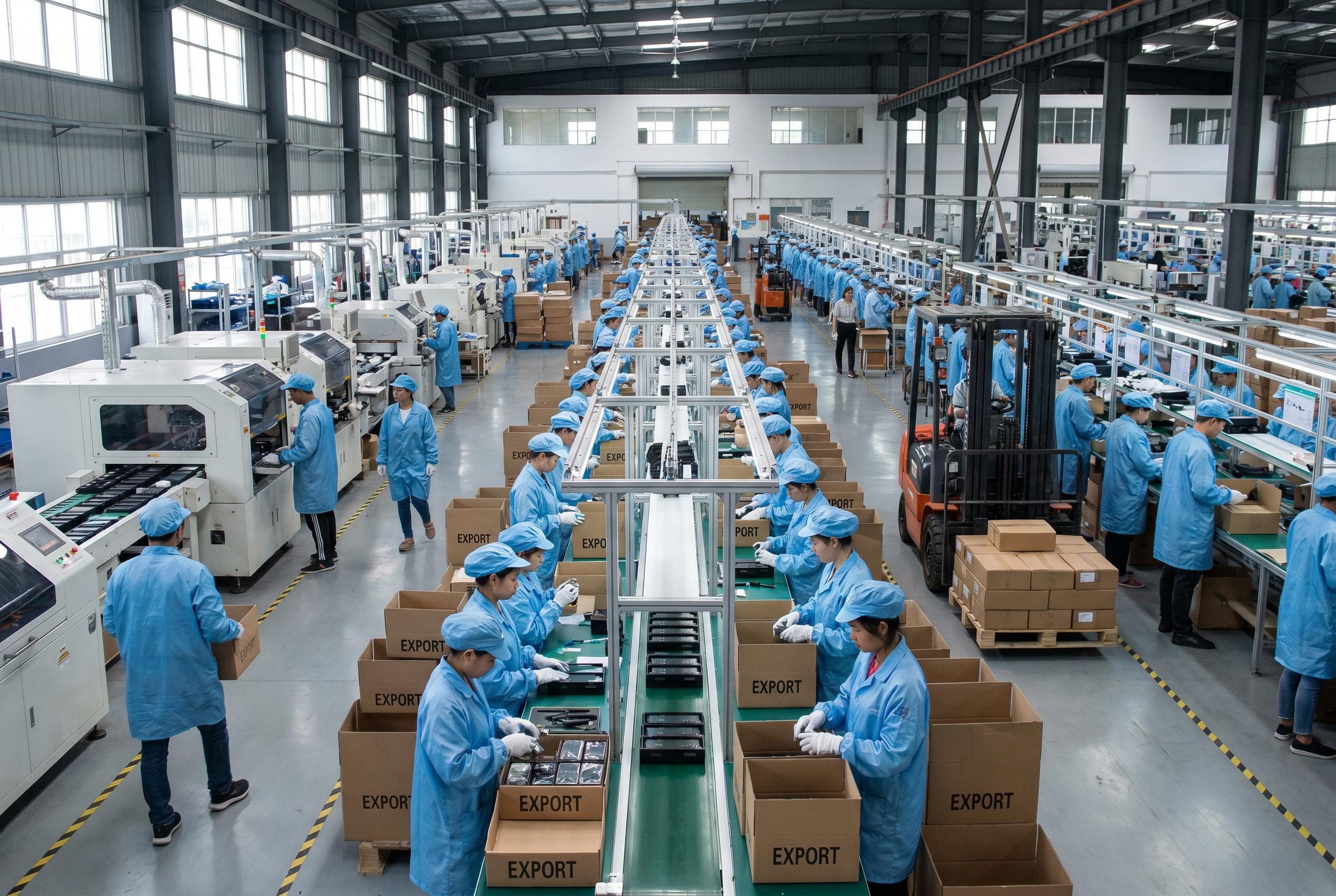
Shoppers of chips and investors alike are watching as NVIDIA’s push into physical AI , robotics, autonomous systems and AI-enabled manufacturing , sends Asian suppliers and stocks into a fresh rally, because more of the company’s production now happens in the region and that shift matters for markets and makers.
Essential Takeaways
- - Asian production share: NVIDIA now sources around 90% of its production costs from Asian suppliers, up sharply from about 65% last year.
- - Stock bumps: Partner companies such as LG Electronics and Nanya Technology have seen double-digit share gains after partnership reports , a visible market reaction.
- - Physical AI focus: The company’s strategy is broadening from pure data-centre chips to physical AI applications like robotics and autonomous systems.
- - Bigger supply chain opportunity: Deeper ties with firms such as SK Hynix and Samsung point to more suppliers joining the ecosystem, with practical effects on manufacturing and logistics.
Why 90% matters: a regional supply chain getting denser
NVIDIA’s production-cost concentration in Asia has climbed to roughly 90%, a steep increase from last year, and it’s the sort of figure investors and buyers notice because it changes where value is created and risk is centred. According to Tom’s Hardware and regional reporting, that jump reflects heavier reliance on assembly, packaging and component sourcing across Taiwan, South Korea and China. For businesses this means lead times, freight and regional policy matter more than before, and for consumers it can influence product availability. If you’re following the AI hardware market, the headline number tells you who really supplies the silicon economy now.
Stocks rise when supply-chain whispers turn into deals
When reports surfaced of collaborations between NVIDIA and companies including LG Electronics, Nanya Technology and a cluster of Chinese suppliers, their shares popped , sometimes by double digits. Business Standard and Investing.com documented a wave of rallies as traders priced in stronger orders and higher margins for those suppliers. That market reaction underlines a simple truth: in hardware, partnerships can be the fastest signal of future revenue. If you’re an investor, look beyond the headline names to contract manufacturers and component makers; they often capture steadier slices of demand.
Physical AI is the new runway beyond generative models
NVIDIA’s CEO has framed “physical AI” as the next frontier after generative AI, and the company’s recent moves reflect that pivot into robotics, autonomous systems and AI-enabled manufacturing. Regional press and industry sources note that the firm’s alliances with memory and chip fabricators like SK Hynix and Samsung were initially about boosting compute power, but now they’re stretching into devices and systems that interact with the real world. That shift matters because physical AI demands different supply chains , motors, sensors, ruggedised packaging and closer integration between software and mechanical parts , so companies already strong in consumer electronics or automotive components stand to benefit.
What this means for Asian manufacturers and logistics
A growing pipeline of orders from NVIDIA can lift broader parts of the tech supply chain: memory makers, board assemblers, automotive-tier suppliers and specialised contract manufacturers all see demand ripple across their books. Reports from regional outlets indicate small and mid-sized suppliers are already experiencing order uplifts. Practically, this translates into factory cadence changes, more hiring in specialised engineering roles, and heavier capital spending on testing and assembly lines. If you run or trade with factories, now’s the moment to ask about capacity, quality-control protocols and how dependent a partner is on single customers.
How to read opportunities , and risks , in this rally
There’s genuine potential here: suppliers that secure long-term contracts could enjoy steadier revenue, while new entrants that add robotics or sensor expertise might capture premium margins. Yet concentration brings risks , geopolitical tensions, shipping disruptions or policy shifts in key Asian hubs could ripple through the AI hardware market. For buyers and investors, balanced diligence works best: verify customer concentration, check capacity expansion plans and favour partners investing in automation and quality assurance. On a consumer level, expect product cycles to reflect these supply-chain realities, with potential regional variations in availability.
It's a small change that could make every AI device and robot a little more Asian-made , and a lot more interesting.
Source Reference Map
Story idea inspired by: [1]
Sources by paragraph: - Paragraph 1: [2], [5] - Paragraph 2: [3], [4] - Paragraph 3: [1], [4] - Paragraph 4: [5], [6] - Paragraph 5: [3], [7]