Experts caution that AI systems currently struggle to capture the complexity and depth of Indian classical music, risking the dilution of its traditions unless carefully curated datasets and ethical frameworks are established.
Artificial intelligence is moving quickly into music creation, but Indian classical music may be one of the areas where the technology is still least equipped to cope. In a recent commentary published by Lokmat Times, violinist and researcher Dr Ratish Tagde argued that today’s AI music systems do not appear to have access to authentic, properly organised datasets for Hindustani or Carnatic traditions, leaving them able to imitate the surface of the genre without grasping its deeper structure.
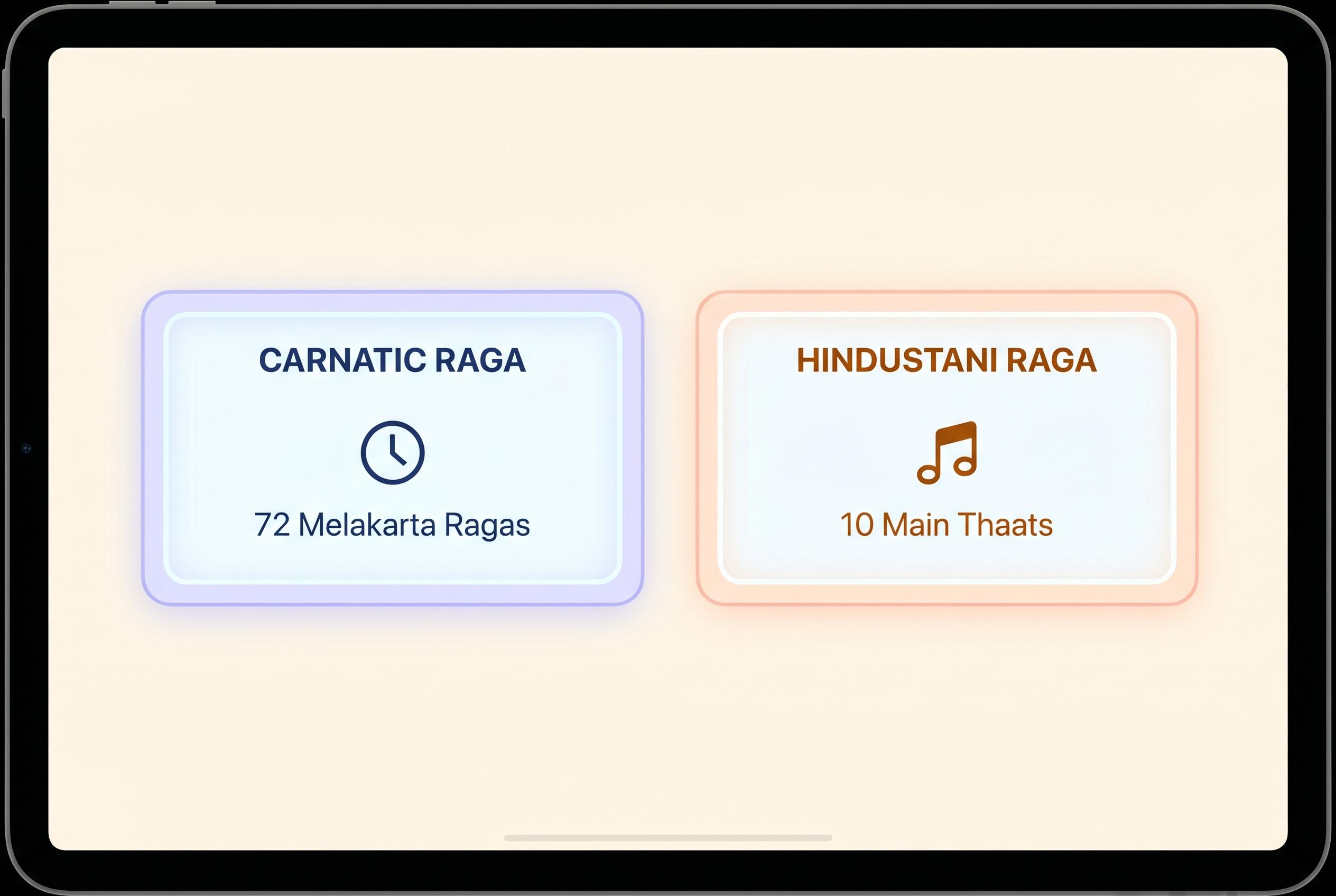
That distinction matters because Indian classical music is built on more than note sequences. Its identity rests on raga grammar, ornamentation, tempo, phrasing, time theory, lineage and improvisation, all of which can shift meaning depending on context. Dr Tagde warned that most digital catalogues are poorly tagged, noisy or incomplete, which means machine-learning models may absorb distorted versions of ragas rather than faithful ones. In his view, the result is not simply imperfect output, but a gradual flattening of a living tradition into something easier for software to reproduce.
Musicians working at the intersection of Indian and electronic forms have voiced a similar caution. In comments reported by The Times of India, Midival Punditz said the danger lies less in AI itself than in how it is deployed, arguing that cultural identity in music emerges organically rather than being pasted on after the fact. Their view reflects a wider concern among practitioners: AI can assist composition, arrangement and learning, but it does not yet replace the intent, memory and discipline that give Indian classical performance its meaning.
Academic writing is beginning to echo that scepticism. A review on ResearchGate says AI still struggles with the ornamentation, emotional depth and structural complexity of Indian classical music, while a separate article on Navakatha points to the difficulty of teaching systems the rhythmic constraints of tala. By contrast, some researchers are trying to build more specialised resources, including dataset projects such as KritiSamhita, a South Indian classical music collection with tonic annotations described in a recent study on ScienceDirect. That work suggests progress is possible, but only if the material is carefully curated and musically informed.
Dr Tagde’s broader warning is that whoever builds the first credible dataset may end up shaping the digital standard for years to come. If musicians, scholars and institutions do not lead that process, technology firms may define the category in ways that prioritise scale over authenticity. He also raised questions about consent, credit and compensation when recordings are used to train AI systems, concerns that are increasingly central to global debates over generative technology. The opportunity, he argued, is equally large: with proper stewardship, AI could help preserve rare ragas, document gharana-specific nuance and extend authentic teaching to new audiences.
For that to happen, the sector would need more than enthusiasm. It would need structured archives, expert tagging, licensing frameworks and a shared willingness among artists and institutions to treat data creation as cultural preservation, not just technical housekeeping. The question facing Indian classical music, then, is not whether AI will enter the field, but whether the tradition will be represented on its own terms before machines learn to speak for it.
Source Reference Map
Inspired by headline at: [1]
Sources by paragraph: - Paragraph 1: [2], [4] - Paragraph 2: [1], [5] - Paragraph 3: [2], [7] - Paragraph 4: [3], [4], [6] - Paragraph 5: [1], [2], [6]
Source: Noah Wire Services
Verification / Sources
- https://www.lokmattimes.com/business/do-ai-music-tools-truly-understand-indian-classical-music-risks-realities-and-the-road-ahead/ - Please view link - unable to able to access data
- https://timesofindia.indiatimes.com/entertainment/hindi/music/news/the-real-risk-isnt-ai-its-how-its-used-midival-punditz/articleshow/130349875.cms - Pioneering electronic duo Midival Punditz, comprising Gaurav Raina and Tapan Raj, have spent over two decades shaping a sound that bridges Indian classical textures with global electronica. They emphasise that cultural identity in music is organic, not applied, and view AI as a tool, not a replacement for human intent. The Indian electronic scene is vibrant and evolving, with artists connecting with audiences beyond mere aesthetics. (timesofindia.indiatimes.com)
- https://blogs.navakatha.com/2025/12/23/why-ai-cannot-generate-carnatic-or-hindustani-music-yet/ - This article discusses the challenges AI faces in generating Carnatic and Hindustani music, focusing on the complexities of rhythm (tala) and the need for AI models to internalise these constraints. It highlights the scarcity of high-quality, well-annotated datasets and the difficulties in fine-tuning general music generators for Indian classical music. (blogs.navakatha.com)
- https://www.researchgate.net/publication/389606476_Review_of_AI_in_Indian_Classical_Music - This review examines the impact of AI on Indian classical music, noting that while AI has revolutionised various industries, its application in Indian classical music is challenging due to the genre's distinct ornamentation, emotional depth, and structure. The paper highlights the need for AI methods tailored to the unique aspects of Indian classical music. (researchgate.net)
- https://tonaling.com/blog/why-indian-classical-music-needs-its-own-digital-tools - The article argues for the development of accurate digital tools for Indian classical music in the age of misinformation. It emphasises that Indian classical music is not built on surface labels alone but lives through listening, lineage, grammar, movement, emotional precision, and lived musical understanding, necessitating specialised digital tools. (tonaling.com)
- https://www.sciencedirect.com/science/article/pii/S2352340924006978 - This study presents KritiSamhita, a machine learning dataset of South Indian classical music audio clips with tonic classification. The dataset includes raw audio data and tonic annotations, recorded by artists with varying degrees of knowledge in Carnatic music, making it valuable for training classification or prediction models and for music students to test their pitch and find which tonic works best for them. (sciencedirect.com)
- https://www.musicseed.ai/blog/indian-classical-music-generator - This article discusses the capabilities and limitations of AI in generating Indian classical music. It highlights that while AI can produce mood-based compositions and educational demonstrations, it struggles with deep improvisation, emotional storytelling over long performances, and cultural lineage and nuance, underscoring the importance of human intent in the creation of Indian classical music. (musicseed.ai)
Noah Fact Check Pro
The draft above was created using the information available at the time the story first emerged. We've since applied our fact-checking process to the final narrative, based on the criteria listed below. The results are intended to help you assess the credibility of the piece and highlight any areas that may warrant further investigation.
Freshness check
Score: 8
Notes: The article was published on April 27, 2026, which is today. The content appears original, with no evidence of prior publication. However, the article is based on a press release, which typically warrants a high freshness score. The press release format may limit the depth of analysis.
Quotes check
Score: 7
Notes: The article includes direct quotes from Dr. Ratish Tagde and Midival Punditz. While these quotes are attributed, they cannot be independently verified through online sources. The lack of verifiable sources for these quotes raises concerns about their authenticity.
Source reliability
Score: 6
Notes: The article originates from Lokmat Times, a regional publication. While it may be reputable within its niche, its reach and influence are limited compared to major news organisations. The reliance on a press release as the primary source may also affect the depth and objectivity of the reporting.
Plausibility check
Score: 7
Notes: The claims about AI's limitations in understanding Indian classical music align with existing literature. However, the article lacks supporting details from other reputable outlets, which raises questions about the comprehensiveness of the reporting. The tone and language used are consistent with the topic and region.
Overall assessment
Verdict (FAIL, OPEN, PASS): FAIL
Confidence (LOW, MEDIUM, HIGH): MEDIUM
Summary: The article presents concerns about AI's understanding of Indian classical music, citing Dr. Ratish Tagde and Midival Punditz. However, the reliance on a press release as the primary source, the inability to independently verify quotes, and the lack of supporting details from other reputable outlets raise significant concerns about the article's reliability and depth. The content type being based on a press release further complicates the situation, as it requires substantial transformation to avoid reproducing the original's distinctive voice and structure.