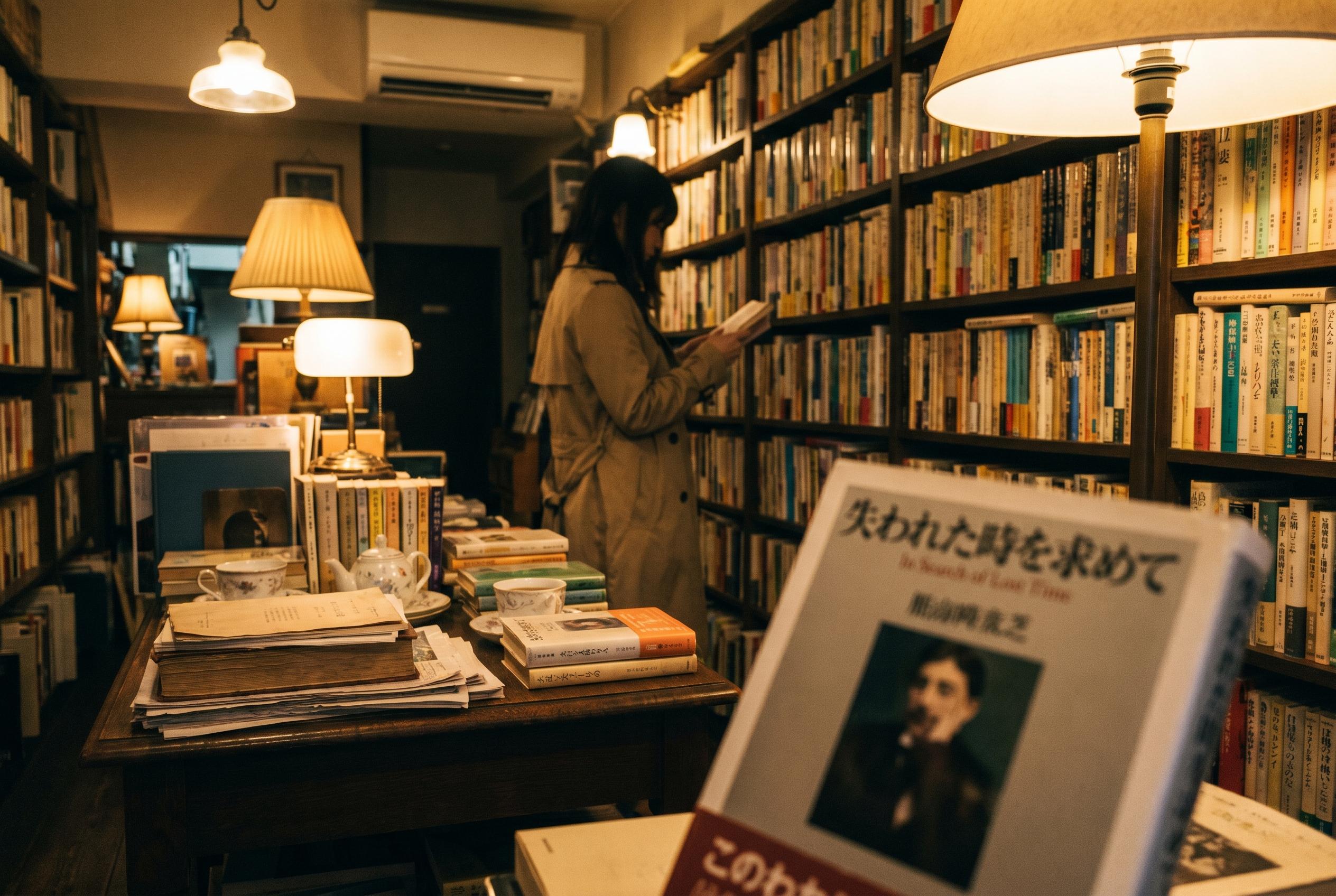
Hachette's withdrawal of Mia Ballard’s novel 'Shy Girl' over suspicions of AI involvement marks a pivotal moment, raising urgent questions about authenticity, trust, and the future of human authorship in the digital age.
The withdrawal of Mia Ballard’s horror novel "Shy Girl" from Hachette Book Group marks a new and unnerving moment for publishing: a mainstream house has now pulled a commercial title over concerns that artificial intelligence may have been used in its creation. According to The Guardian and TechCrunch, the book was taken out of UK distribution and its planned US release was cancelled after online speculation prompted an internal review by the publisher.
Ballard says she did not use AI to write the novel. In accounts reported by The Guardian, TechCrunch and other outlets, she has instead blamed an acquaintance she hired to edit the self-published version, claiming that person may have inserted AI-generated material without her knowledge. She is said to be considering legal action against the editor.
The controversy has sharpened anxiety across the book trade because it arrives at a point when publishers are already struggling to detect machine-written text. The Guardian reported that the case has become a warning about how difficult it can be to identify AI involvement once a manuscript has passed through editing, submission and marketing channels. Industry voices now argue that publishers need tougher checks if they want to preserve confidence in what reaches readers.
That concern is not confined to one title. Reports over recent years have described a flood of AI-generated ebooks, including children’s material, and the Society of Authors has already floated the idea of a government-backed "Human Author" logo to distinguish fully human-written books. For authors, the fear is not only fraud, but displacement: if automated content becomes cheaper and faster to produce, it may also become harder for writers to compete on output alone.
The unease is financial as well as cultural. Literary professionals quoted in coverage of the scandal have linked the rise of machine-assisted writing to falling author incomes and to fears that large language models are being trained on scraped creative work. Even when a book is not wholly synthetic, the blurring of human and non-human text raises a larger question about what readers are actually buying: an individual voice, or a polished approximation of one.
What makes the "Shy Girl" episode so telling is that it has moved the debate beyond theory. The book was not rejected in advance; it was taken down after suspicion, review and public scrutiny. In that sense, the affair has become a test case for a trade that has long depended on trust - trust between author and editor, publisher and reader, and ultimately between culture and the idea that a human mind is still at the centre of it.
Source Reference Map
Inspired by headline at: [1]
Sources by paragraph: - Paragraph 1: [2], [3] - Paragraph 2: [2], [3], [5], [6] - Paragraph 3: [4] - Paragraph 4: [4], [6] - Paragraph 5: [4], [5], [6] - Paragraph 6: [2], [4], [5]
Source: Noah Wire Services